
In this age of globalization, why would anyone want borders, an army, currency? Isn’t that kind of … old school? Read more

Intelligent. Optimistic. Curious.
Episode Archives
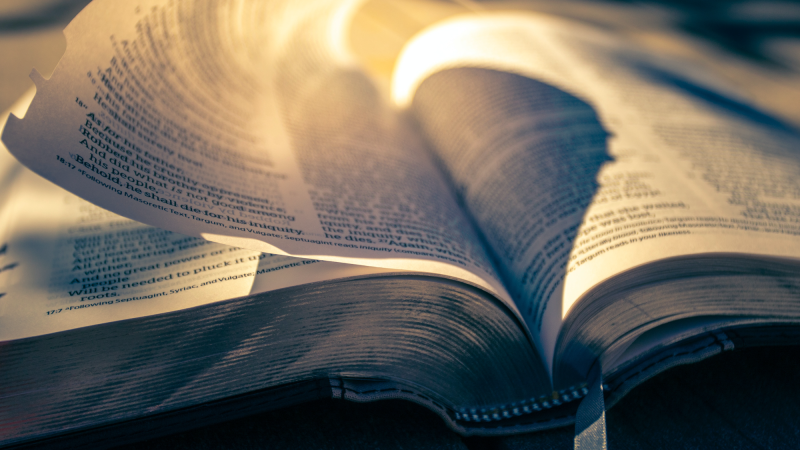
Buried scrolls, clay tablets, priceless artifacts and expensive forgeries – this week, we bring you stories from the strange and amazing world of biblical archeology.Read more

Do you ever have a right to kill? What about Israeli agents who assassinate Hamas leaders? Or suicide bombers who blow up their enemies? Do the ends justify the means? William Vollman has written a three-thousand page treatise on the morality of violence. In this hour of To the Best of Our...Read more
Two people, a house, a pitchfork, and a barn. It's hard to find a better-known American painting than Grant Wood's masterpiece "American Gothic." But just who are those grim people, and why do they have such a hold on the American psyche? Here's the history of an American classic. Also, a...Read more
America is in trouble. The decline of the dollar, climate change and the ugly math of Social Security and national debt are just a handful of the challenges facing the next generation. And who's to blame for the current mess? Baby Boomers - according to a growing movement, pitting one generation...Read more
Scientists have proven what pet owners already knew - cuddling with your dog or cat is good for you – and for your pet. In this hour of To the Best of Our Knowledge, keeping animals well, and how they return the favor. From gorilla conservation and eco-tourism to the dilemmas posed...Read more

Does anyone still hitchhike? Cult film director John Waters does. At the age of 66, he hitchhiked 2,800 miles, from Baltimore to San Francisco. He tells us about the people who picked him up, along with some who didn't. And did the America Interstate System pave the way...Read more
The pursuit of knowledge can make you do weird things. Sir Isaac Newton explored his eye-socket with a wooden stick. Swedish chemist Karl Scheele was undone by the toxic chemicals he insisted on tasting. And a German scientist named Becher spent years trying to make gold from his own urine,...Read more
Do you get eight hours of sleep a night? If not, join the millions of sleep-deprived Americans stumbling through life half-awake. Scientists say our national sleep debt may be behind the epidemics of diabetes and obesity – maybe even cancer. In this hour of To the Best of Our...Read more
Say you’re in Vegas playing high-stakes poker. You haven’t slept in days. To make matters worse, you’re being stared down by two of the best poker players in the world. And...you’re bluffing. So, you bet it all to bring the pot to well over a million dollars. In this hour of To the Best of...Read more
If you ever find yourself on a dark country road in Ireland, bring along some salt, red thread, and a cross. That’s what you’ll need to protect yourself from “the other crowd.” Next time on To the Best of Our Knowledge, the fairies of Ireland. They’re magical, vengeful, and still alive and...Read more
Many Americans think the story of Cuba begins and ends with Fidel Castro. But the soul of the Cuban Revolution belonged to the charismatic, Romantic guerilla hero Ernesto “Che” Guevara. To the Best of Our Knowledge revisits the Sixties and counts the private costs of that era’s social gains. ...Read more
Have you ever wished you cared less or been told to develop a thicker skin? For the polite and anxious among us, suddenly being immune to criticism and embarrassment might seem to be a superpower. In this hour, we’re exploring...Read more
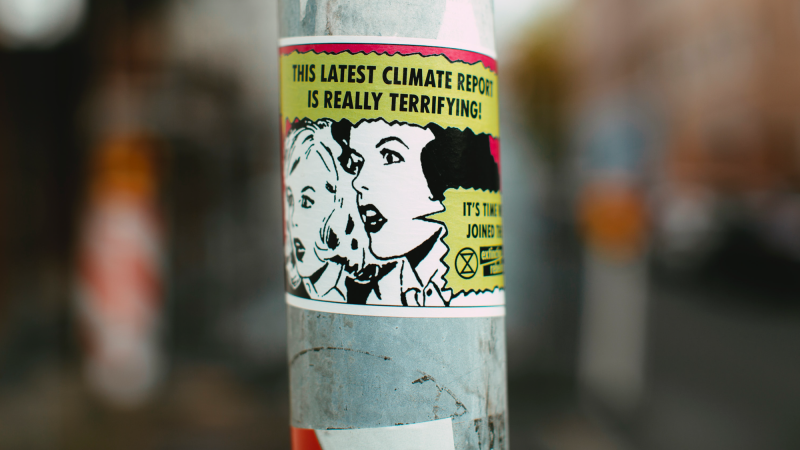
Global pandemics, alien invasions, the Second Coming....why do we love imagining the end of the world? We examine apocalyptic thinking – from vampire movies to the Book of Revelation.Read more
Ben Kilham has some unusual playmates - black balls of fur who scratch, wrestle and climb all over him. They are orphaned bear cubs. And Kilham is their surrogate mom. He’s raised two dozen bear cubs and then released them into the wild. Next time on To the Best of Our Knowledge, we’ll trek...Read more
Phil Harvey gives away tens of millions of dollars every year to fight AIDS and promote family planning in such places as India, Brazil, Vietnam and Ethiopia. Where does the money come from? Harvey runs the largest mail-order erotica business in the world. In this hour of To the Best of Our...Read more
Ben Franklin, Henry Ford, Abigail Adams, Elvis Presley. Know what they have in common? They're all on Daniel Wolff's list of great Americans. Wolff explains the unique ways those people learned what they had to know. We'll also take a hard look at IQ and its relationship to race and class, and...Read more
Tariq Ramadan has been called the Muslim Martin Luther King, and he's often described as Europe's most important Muslim intellectual. Hundreds of young Muslims turn up at his talks, and tapes of his lectures are widely circulated. He travels throughout the Islamic world, trying to build...Read more

There's been a hot spotlight shining down on women this past year. From allegations of a war on women to the debate about reproductive rights, it's hard to tell how far women have come and just where they're going. So, what does feminism look like today? The first woman governor...Read more
Maybe you can sing like Jennifer Lopez or Ricky Martin. If not, looking like them is the next best thing. Right now, it’s never been cooler to be Hispanic. In this hour of To the Best of Our Knowledge, the Latino Revolution. From the rise of Latino-chic to the spicy secretes of salsa. ...Read more
Celebrate Midsummer's Eve with a visit to the fey folk. In this hour of To the Best of Our Knowledge, we'll have an hour filled with stories of changelings and other-kin, Fairy Courts and green children. We'll conjure up a world of enchantment, but beware! There are no Tinkerbells in the world....Read more
From the minute we can pick up a crayon, most of us want to draw something - a house, a tree, the sun. As we get older we aim for nuance and sophistication - landscapes and shadows, faces and expressions. A gifted few will achieve something greater - they’ll make art. On this hour of To the...Read more
So much of our daily lives gets turned into data -- our online shopping purchases, phone calls, family photos. We're all surrounded by data, and learning how to harness it could be more transformative than we realize. This week, a look at the new data specialists using their knowledge of numbers...Read more
The holidays can be challenging. All that togetherness can be like squishing a passel of porcupines into a sardine can. In other words - not nice. On the other hand, there is a bright side. Po Bronson found it in the lives of families across the country. In this hour of To the Best of Our...Read more